
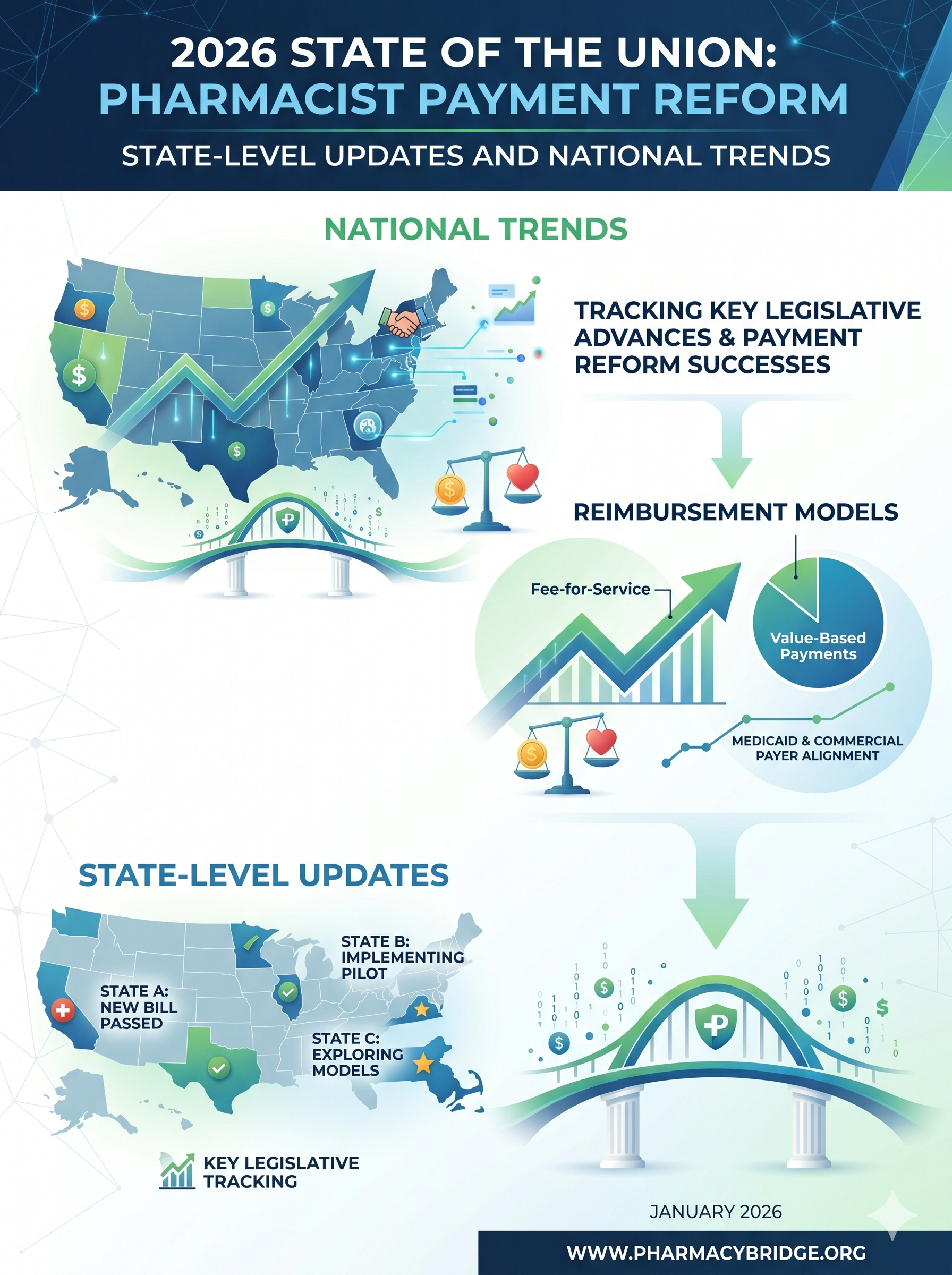
Pharmacist Payment Reform Is Accelerating — A 2026 State-by-State Update
A new review in the Journal of the American College of Clinical Pharmacy tracks the rapid expansion of state-level pharmacist reimbursement laws since 2024. With 16 states enacting substantial reforms and 86% of states now having some payment mechanism for pharmacist clinical services, the article underscores a critical reality for OUD care: scope of practice means little without aligned reimbursement.
New Toolkit Helps Community Pharmacies Launch Harm Reduction Services
A new toolkit from the University of Pittsburgh School of Pharmacy offers community pharmacies a practical, step-by-step guide to implementing harm reduction services — from assembling supply kits and training staff to marketing services and integrating them into existing workflows. Here's why it matters for pharmacist-led OUD care.
Pharmacists Are Critical In Opioid Use Disorder Care - Pharmacy Practice News
The SUPPORT for Patients and Communities Reauthorization Act, signed into law in 2025, grants pharmacists greater autonomy to prescribe buprenorphine for opioid use disorder after completing specialized training. In a new article in Pharmacy Practice News, two clinical pharmacists describe how they are already providing OUD care across VA, hospital, and community settings — and why state scope-of-practice laws must evolve to match what federal law now permits.
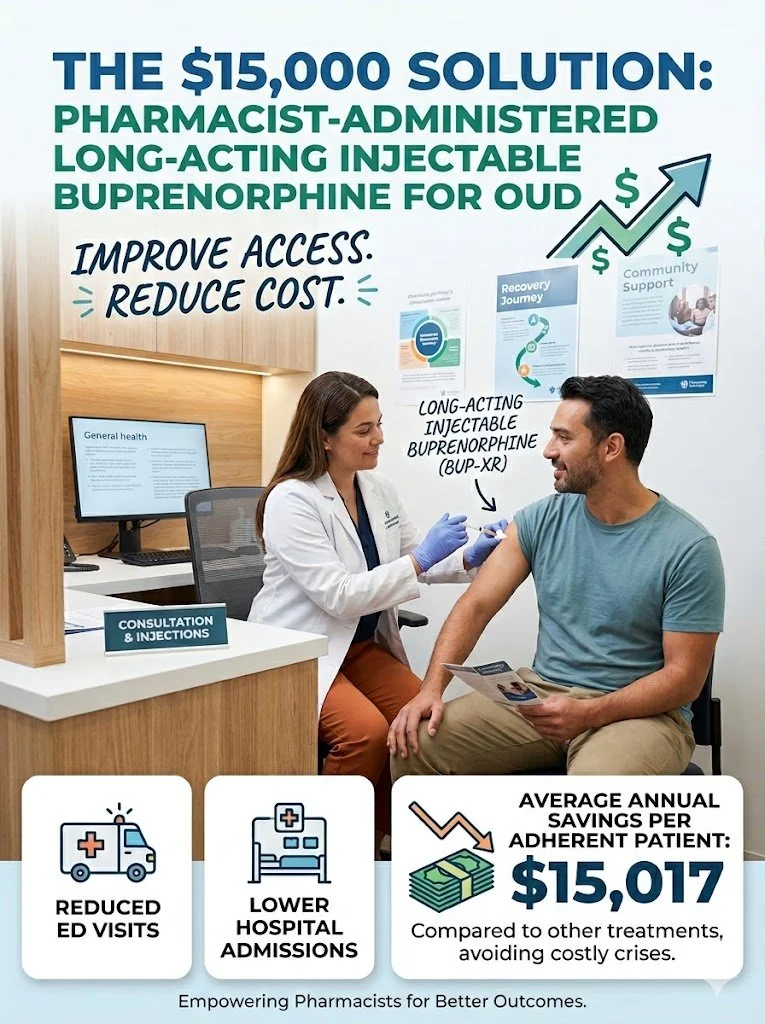
How Pharmacists Could Be Key to Addressing the Opioid Crisis
Optimal adherence to long-acting injectable buprenorphine (BUP-XR or Sublocade®) for opioid use disorder saves $15,017 per patient annually by drastically reducing costly emergency department visits and detoxification events. This research supports the economic benefits of paying community pharmacists to administer long-acting injections, effectively improving treatment access while lowering overall healthcare spending.

Bridging the Knowledge Gap: Why ECHO Idaho is a Game-Changer for Idaho Clinicians
A recent update from the University of Idaho highlights the critical role of Project ECHO Idaho in equipping healthcare providers with the tools to manage these evolving challenges. For pharmacists interested in delivering low-barrier MOUD care, this program offers a unique, no-cost pathway to expertise.

Landmark Support for Pharmacist-Prescribed Buprenorphine in Minnesota
Landmark Support for Pharmacist-Prescribed Buprenorphine in Minnesota
In a major win for low-barrier access to Medications for Opioid Use Disorder (MOUD), the Minnesota Medical Association (MMA) Board of Trustees recently voted unanimously to support legislative efforts that would allow appropriately trained pharmacists to independently initiate, prescribe, and administer buprenorphine.
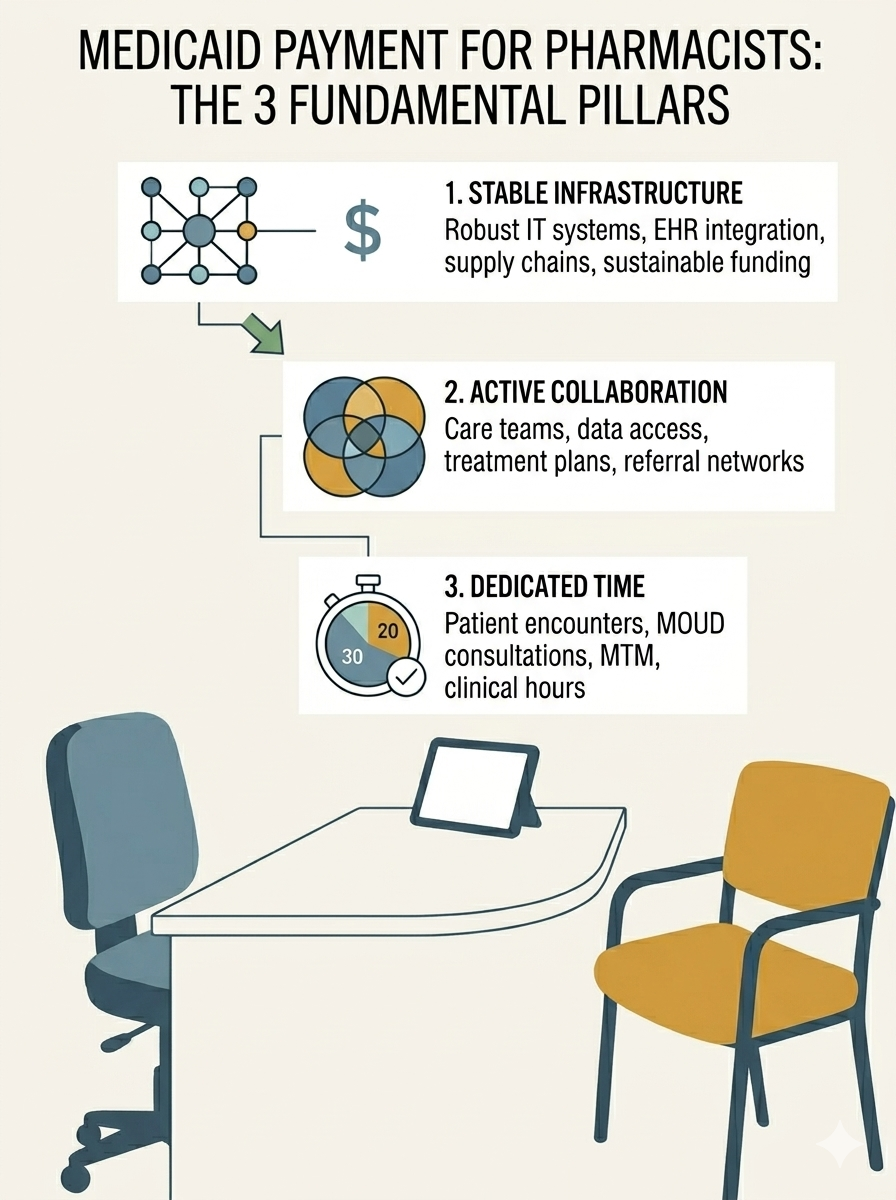
No Payment, No Program: What the 2025 Medicaid Summit Means for Pharmacy-Based OUD Treatment
Establishing a sustainable model for pharmacist-led clinical services requires more than just clinical expertise—it requires a framework for reimbursement. Based on the fundamental pillars of Infrastructure, Collaboration, and Dedicated Time, this guide explores how pharmacists can successfully navigate Medicaid payment structures.
By aligning these three areas, pharmacies can transition from a product-centered model to a service-oriented one that prioritizes patient outcomes and professional sustainability.

Study Shows Telehealth Removes Key Obstacles in OUD Care, but Pharmacy Barriers Persist
Telehealth is Transforming Access to OUD Care.